Beyond the Model Minority Myth: AAPI Voices & Healthcare Bias Webinar with Mosaic Voices
On August 7, 2026, Pulse Parity partnered with Mosaic Voices to host Beyond the Model Minority Myth: AAPI Voices & Healthcare Bias, an interactive webinar examining how stereotypes and implicit bias can shape the experiences of AAPI individuals both inside and outside healthcare settings. More than 15 attendees joined the event, which combined an evidence-based presentation and an open discussion.
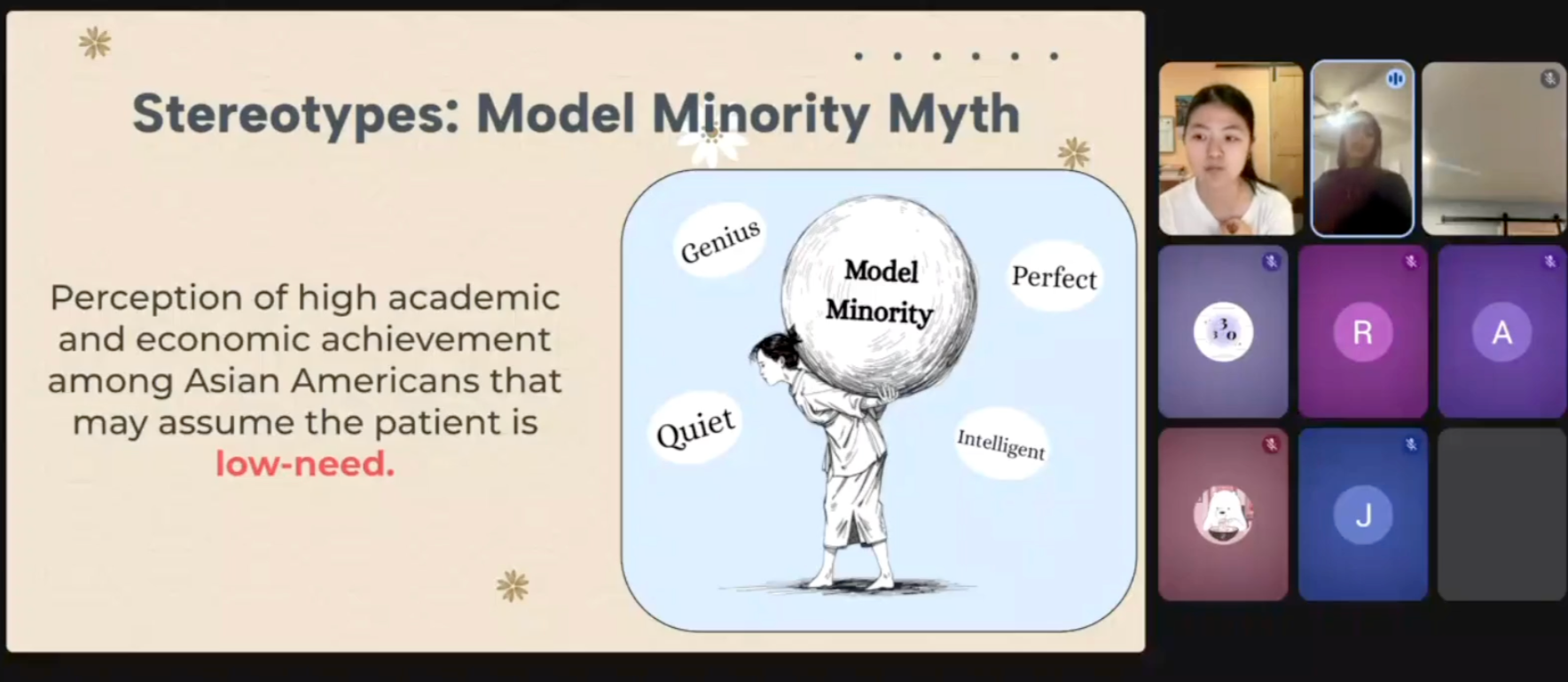
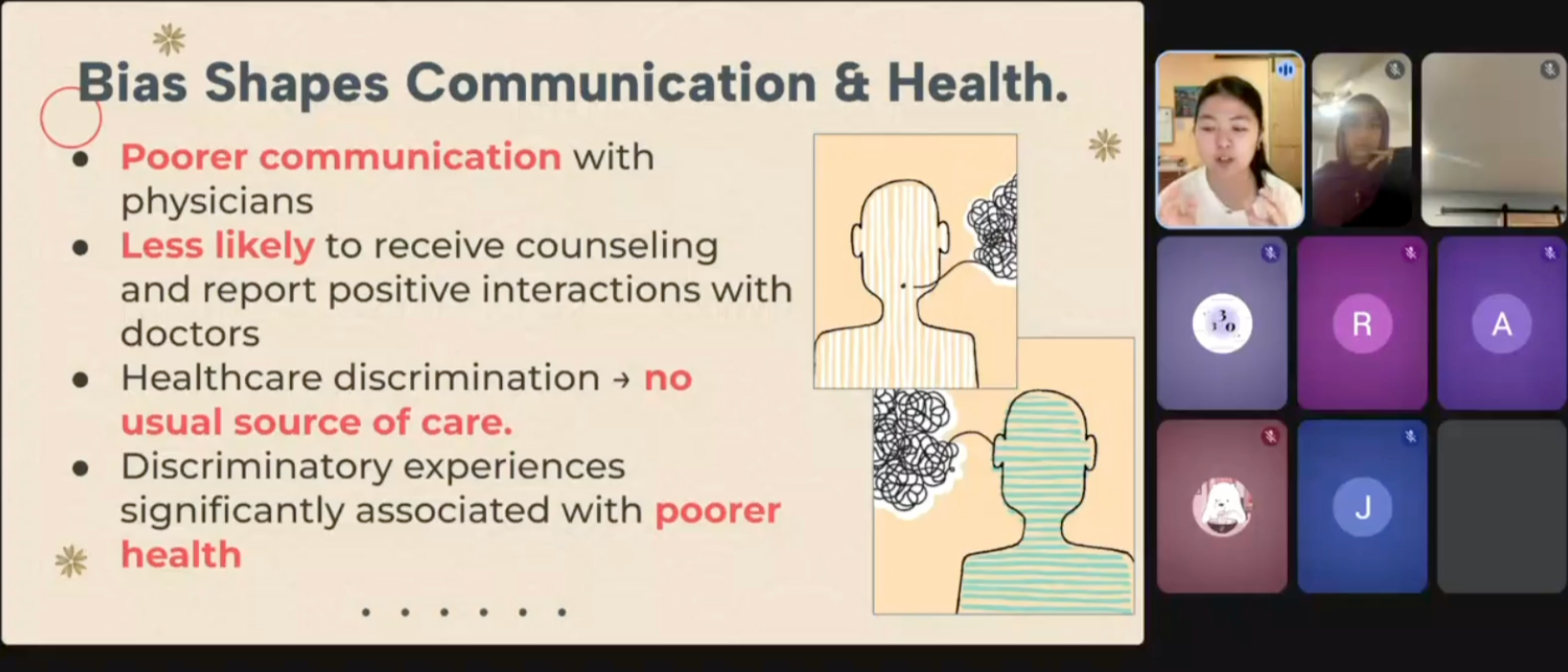
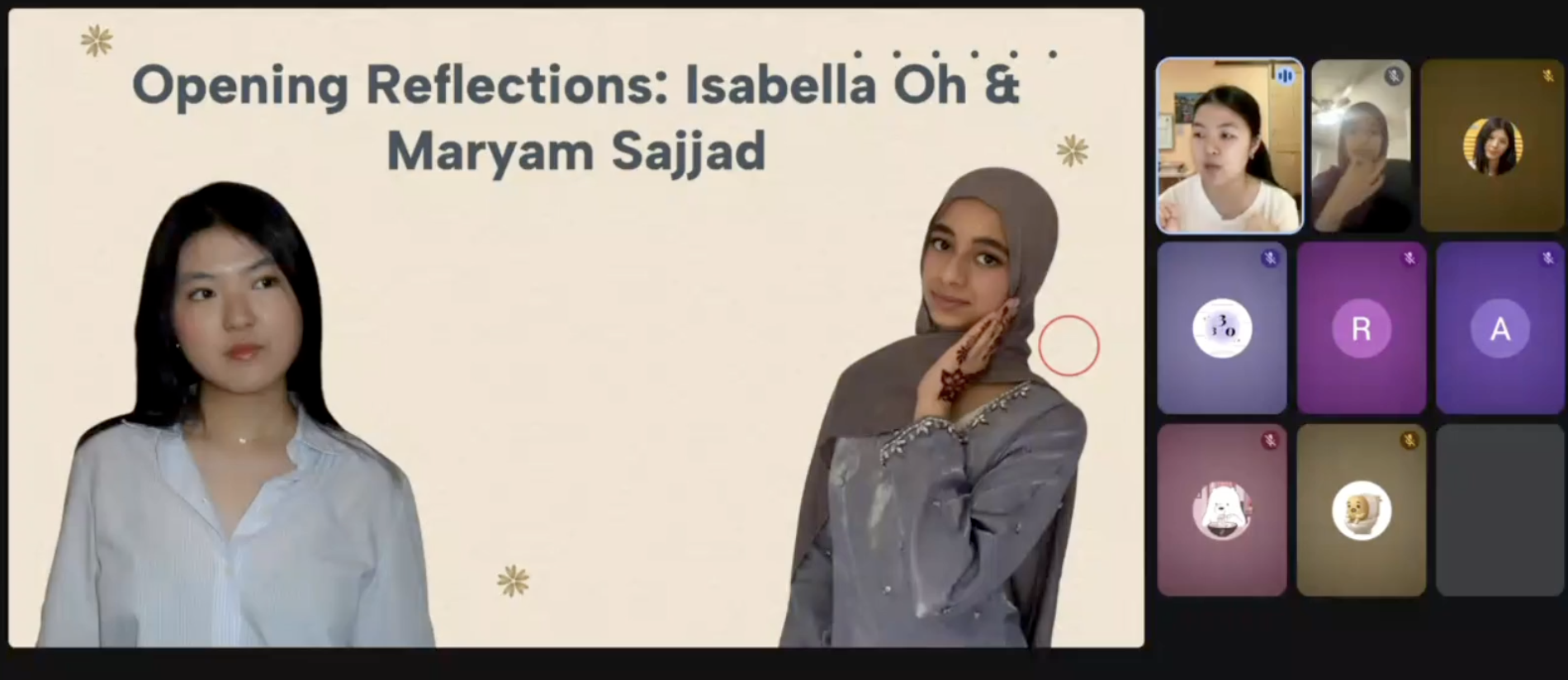
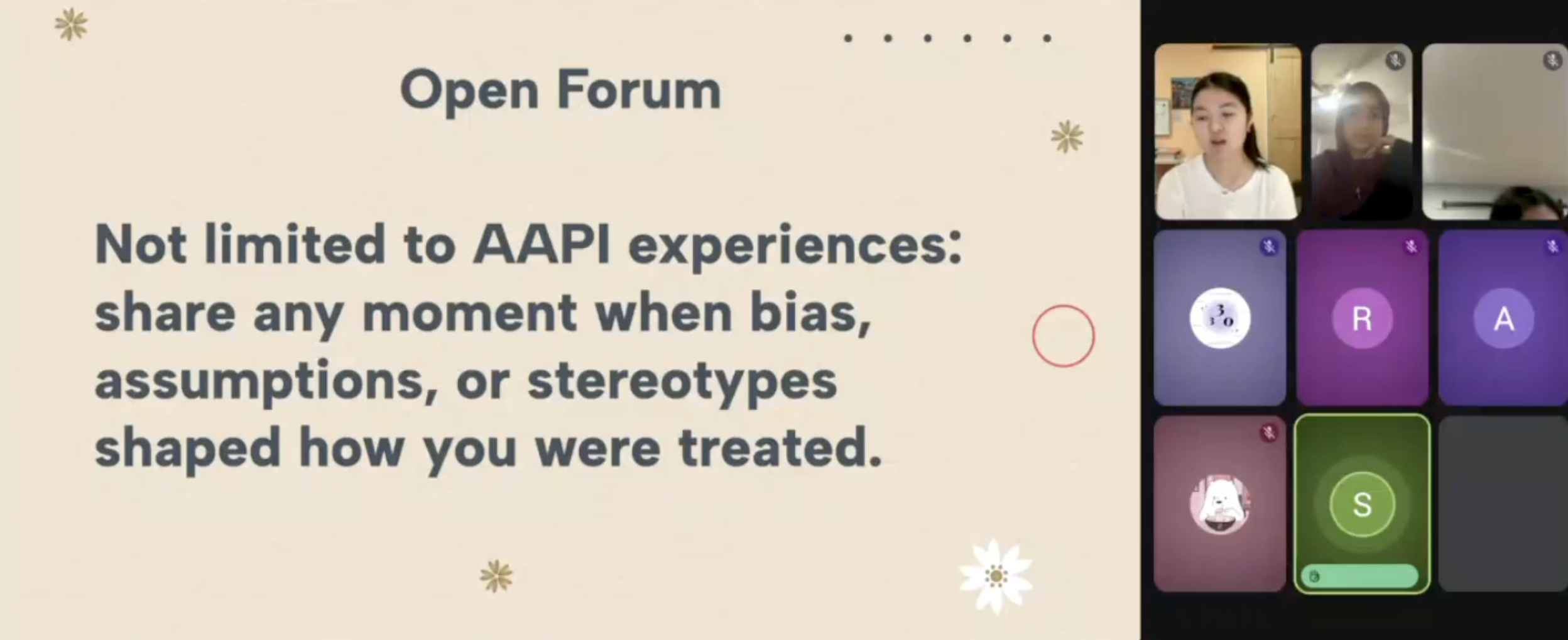
The seminar began by exploring stereotypes such as the model minority myth and perpetual foreigner stereotype and the ways they can influence assumptions about need, communication, and belonging, especially in healthcare. Then, Pulse Parity founder Isabella Oh and Mosaic Voices founder Maryam Sajjad opened the discussion by reflecting on how stereotypes had shaped their own experiences with academics, identity, and belonging. From there, the webinar moved into a 35-minute open forum, with eight participants actively contributing. Although the event centered on AAPI experiences, participants were invited to discuss any instance in which race, culture, language, appearance, or other assumptions had influenced how they or others were treated.
The resulting conversation extended far beyond healthcare. Participants discussed microaggressions, blatant racism, cultural identity, media representation, language-based assumptions, and the pressure to conform to stereotypes. One participant recalled a Korean student whose academic struggles were questioned because they conflicted with expectations created by the model minority stereotype. Another described being told by a white peer during the application process for a selective high school that the peer would have an admissions advantage because he was “a white guy applying for business,” while the participant was a Korean student applying for art.
Others highlighted how the absence of discrimination in one person’s life should not be generalized to an entire community. As one participant explained, allowing the narrative that “Asians don’t get discriminated against” to dominate can leave people who do experience discrimination feeling isolated or silenced. Another participant described how speaking Korean with family members in public sometimes led strangers to assume that they could not speak English fluently, while also reflecting on the broader expectation that Asian Americans should remain forgiving and quiet when confronted with bias.
Even seemingly casual encounters became part of the conversation. One participant recalled visiting a ramen restaurant with a group of Korean friends and repeatedly being approached by white customers asking what they should order, despite non-Asian customers nearby not receiving the same questions. Although the group initially laughed about it, the experience illustrated how quickly appearance can become a shortcut for assumptions about culture, knowledge, and identity.
Ultimately, by pairing research on healthcare disparities with lived experiences, the collaboration created space not simply to discuss AAPI bias, but to listen to the complexity and diversity of the people those stereotypes attempt to simplify.